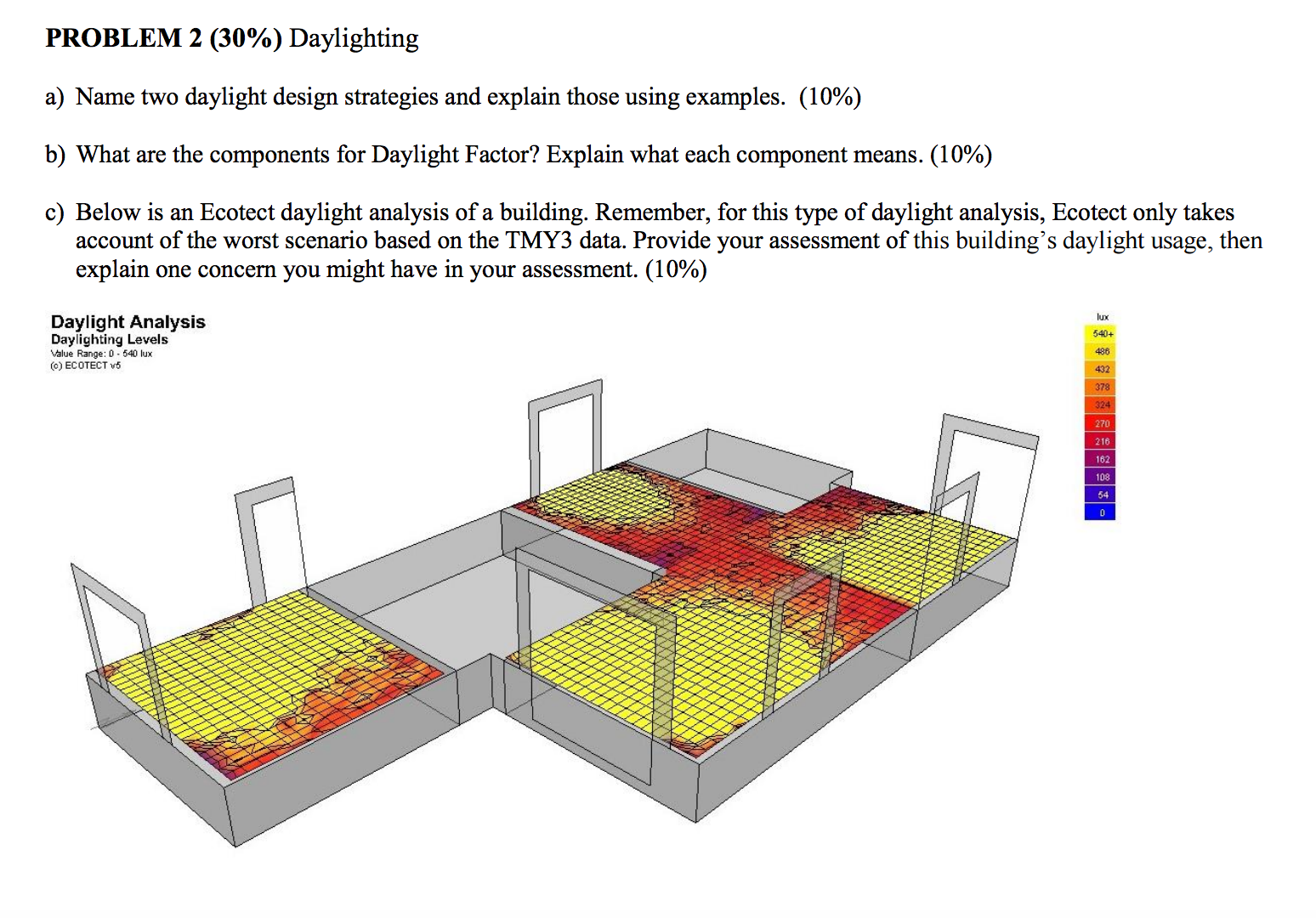
Daylight is a crucial aspect of building design and planning, affecting not just the aesthetics of a space but also its energy efficiency, occupant comfort, and overall quality of life. As architects and designers seek to create spaces that are both functional and pleasing, understanding daylight patterns is essential. Daylight evaluation provides a systematic approach to harnessing daylight, enabling professionals to optimize architectural designs to support sustainability goals and improve the user experience.
This article serves as a comprehensive guide to daylight analysis, exploring its importance in various architectural applications. From improving energy efficiency in business buildings to making informed choices about window placements in home designs, we will delve into the tools and methodologies that enable architects to assess and model daylight effectively. By examining concepts such as daylight factor, spatial daylight autonomy, and climate-based daylight modeling, we will highlight key differences and best practices to ensure successful implementation. Accompany us as we explore the intricate dance of light from dawn to dusk, uncovering how daylight analysis shapes our built environment. spintax
Grasping Natural Light Evaluation
Daylight analysis is a vital aspect of architecture that concentrates on evaluating how daylight influences constructed spaces. This evaluation helps professionals grasp the patterns of natural illumination throughout the day and across different seasons. By evaluating the volume of daylight illuminating a building, designers can create environments that not only enhance visual allure but also encourage sustainable practices and user comfort.
The goal of this evaluation is to optimize the use of daylight within a structure, which can lead to substantial energy savings. By effectively utilizing daylight, buildings can reduce reliance on electric lights, thus cutting energy bills and diminishing the ecological footprint. This analysis also factors in the potential for glare, ensuring that environments are not only well-lit but also pleasant for their users.
Additionally, incorporating daylight analysis into the beginning phases of the design process can elevate the overall usability of a design. This method guides decisions related to the positioning of windows, the direction of facades, and choosing materials. By grasping the nuances of natural light, architects can create improved, more eco-friendly environments that align with current demands for energy efficiency and user satisfaction.
Key Tools and Techniques
In the field of daylight analysis, numerous tools and techniques have been created to aid architects and designers in enhancing natural light in their projects. Daylight Analysis Yeovil Somerset like LUMEN and ClimateStudio are well-known for their accurate simulation capabilities. LUMEN provides advanced lighting calculations based on complex geometries and material properties, while Sunlight Analyzer offers a intuitive interface with access to climate data, enabling quick assessments of daylight performance. These tools not only assist in mapping light distribution but also in enabling informed design decisions to enhance energy efficiency.
Dynamic modeling is another essential technique in daylight analysis, allowing designers to assess how light interacts with structural components throughout the year. Techniques such as Weather-Responsive Daylight Design help architects grasp how different designs will function under varying weather conditions. By utilizing annual sunlight exposure metrics and daylight autonomy measurements, architects can ensure spaces are sufficiently lit while minimizing glare and overheating. This approach helps to creating environments favorable to occupant well-being and productivity.
Moreover, the integration of daylight analysis early in the design process is important. Employing tools that facilitate real-time analysis can assist in refining building massing, window-to-wall ratios, and facade orientations. These considerations are key for achieving optimal daylight penetration and guaranteeing sustainable practices in architectural design. With advancements in technology, architects can use digital twins to replicate ongoing performance and tweak designs accordingly throughout the project's lifecycle. This anticipatory approach not only enhances design quality but also supports the long-term viability of buildings in terms of energy consumption and occupant comfort.
Implementations and Benefits
Daylight analysis plays a key role in various architectural applications, enhancing both aesthetic quality and practicality. In office spaces, effective daylighting approaches can substantially reduce reliance on electric lights, leading to large energy savings and reduced operational costs. By optimizing window-to-wall ratios and adding dynamic shading devices, architects can create spaces that are not just visually appealing but also energy-efficient, contributing to a building's overall sustainability objectives.
In health facility architecture, the integration of daylight analysis has proven to enhance patients' healing and staff productivity. Spaces crafted with plentiful natural light help create a therapeutic setting, reducing stress and improving mood. Learning environments also benefit from daylight modeling, as studies show that classrooms bathed with natural light can improve pupil attention and learning outcomes. This focus on user-centered design is essential in creating supportive environments in both learning and clinical settings.
Additionally, the role of daylight analysis extends further than mere aesthetics; it encompasses ecological and financial aspects. By leveraging tools for daylight simulation, architects can ensure compliance with environmental criteria like LEED and Building Research Establishment Environmental Assessment Method. These analyses help guide decisions about building orientation, glazing specifications, and the use of light shelves, ultimately aiding in minimizing carbon footprints and achieving sustainable return on investment. This holistic approach positions daylight analysis as an essential asset in contemporary architectural practices.